Research shaped by classrooms, public questions, and the social consequences of assessment
I began my career as a high school English language arts teacher. That experience continues to shape how I think about literacy assessment: not as a narrow technical exercise, but as a set of judgments with real consequences for learners, teachers, and institutions.
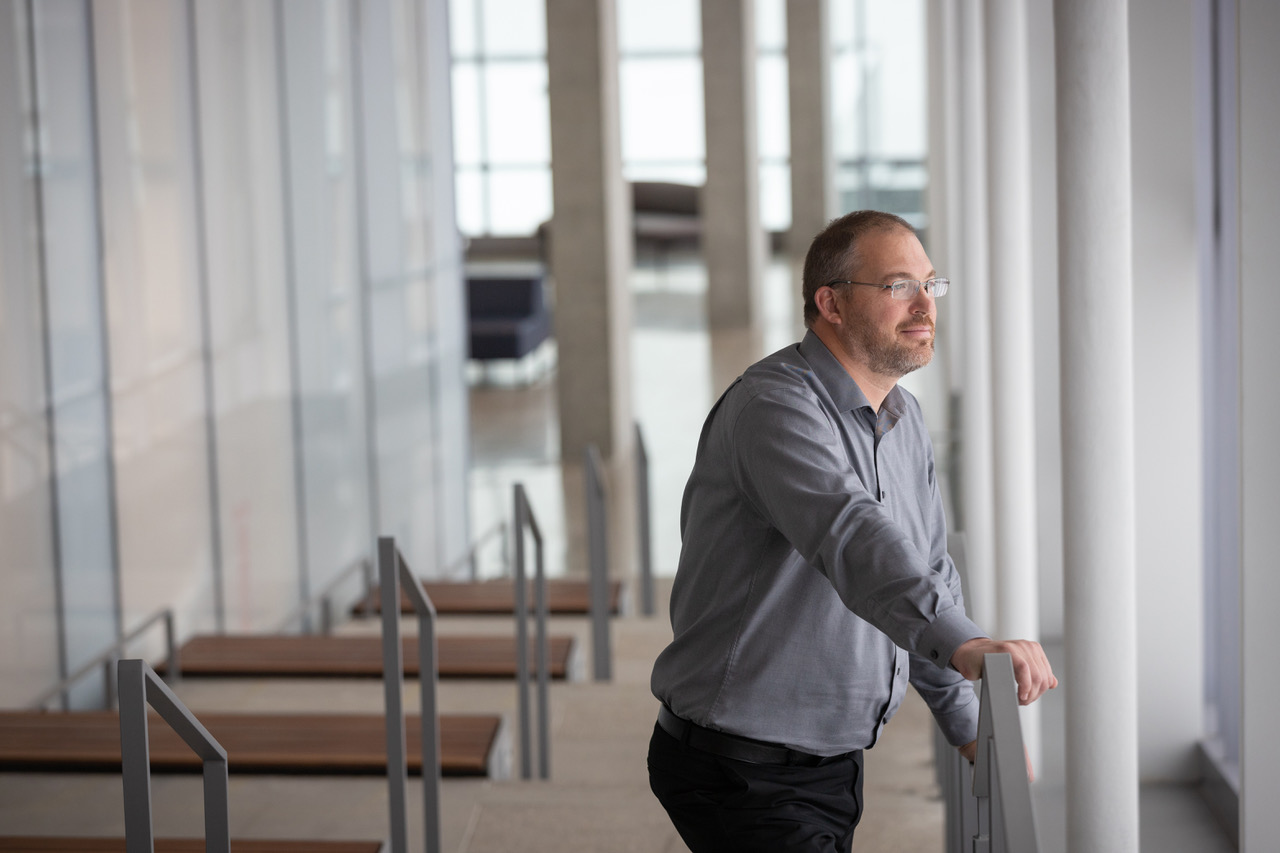
About Me
I hold a master’s degree in Teaching English as a Second Language and a PhD in Secondary Education with a focus on writing assessment. At the University of Lethbridge, I serve as Professor and Associate Dean in the Faculty of Education. I also serve as Co-Editor-in-Chief of Assessing Writing.
My work asks how writing and literacy assessments can be designed to be valid, fair, ethical, and publicly accountable. Across that broad agenda, I have examined the social consequences of large-scale assessment, the development of writing ability, sociocognitive models of writing expertise, justice-oriented and antiracist validation, and the challenges of assessment in digital and AI-mediated environments.
I try to connect scholarship to the larger questions that shape public life: access to learning, human dignity, democratic participation, and the role assessment plays in either expanding or narrowing opportunity.
Selected roles and recognitions
Current leadership roles
- Professor and Associate Dean, Faculty of Education, University of Lethbridge
- Co-Editor-in-Chief, Assessing Writing
- Member, International Literacy Association Assessment Task Force
Recognition and reach
- 1,100+ citations to date
- 2025 Albert J. Harris Award, International Literacy Association
- Board of Governors’ Teaching Chair, University of Lethbridge
- Writing Program Certificate of Excellence, Conference on College Composition and Communication
Research and policy partnerships
- SSHRC-funded research and institutional leadership
- Projects and advisory work with Alberta Education, Center for Assessment, and Educational Testing Service
- International collaborations extending to the United States and South America
Public and graduate-facing work
- Teacher-facing scholarship and professional learning
- Media commentary and op-ed writing
- Award-winning graduate supervision and editorial mentorship